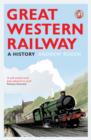
By the time I had read a few chapters, I had become quite a fan of the GWR, despite my first experience being evacuated on it to Cheltenham in 1940 and having to sit on a suitcase in the corridor of a blacked-out train which crawled from station to station. The only impression it left me with was the pattern on the suitcase! One of the most extraordinary stories was the building of the Swindon Loco Works which developed into the first great railway town. It enabled GWR to build, for most of its life, engines which were superior in power and efficiency to other companies. At the time of building the Swindon works, the railway was short of money so they did a deal with the contractor to build the works in exchange for the permanent lease on catering facilities at Swindon. In addition there were to be no other facilities between Paddington and Bristol and every train had to stop at Swindon for at least ten minutes; the deal becoming a millstone for many years. The GWR was a good employer and built above average houses for its workers plus schools and mechanics’ institutes. At various times, the GWR ran the longest non-stop passenger journey in the world; the worlds highest average speed rain and the first train to reach 100mph. The building of the Severn Tunnel, against all the odds, is a fascinating account of a largely forgotten engineering achievement.
Andrew Roden gets a bit technical at times, when discussing the merits of various wheel and cylinder arrangements on the locos designed by a series of brilliant engineers. I sometimes found that the number of small railway companies with similar names that were absorbed into the GWR a bit confusing and a map of the layout would have helped. Notwithstanding these, this is a fascinating book for both the railway enthusiast and layman because it contains interesting characters and good stories. It finishes with a chapter on the rescue of old locos and the rise of heritage railways.


No comments:
Post a Comment